
Premium pine
pellets
DANKROS PELLETS
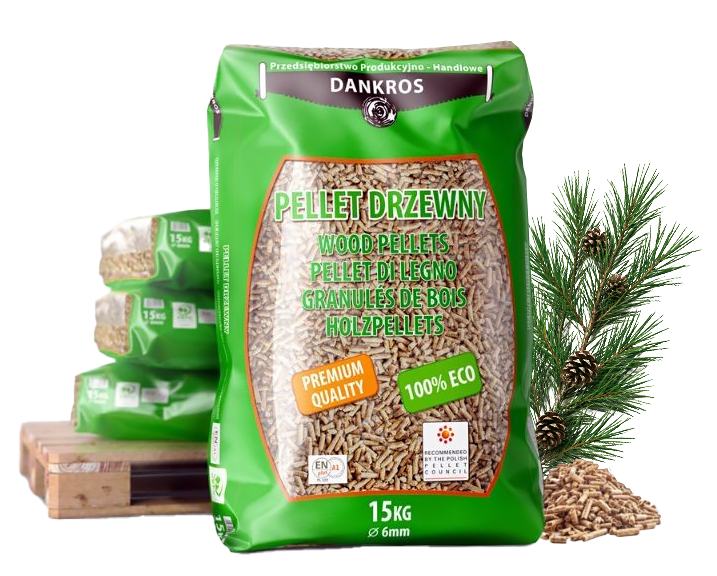
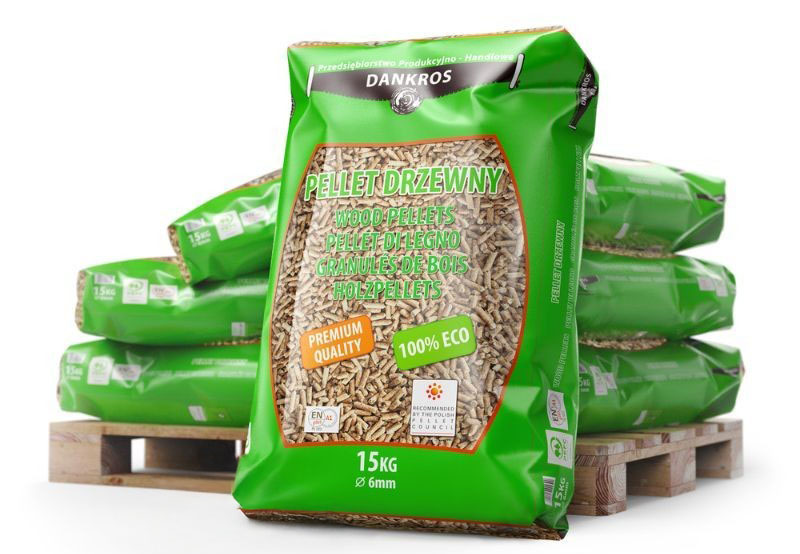
EN Plus A1 certified pine pellets guarantee the highest quality and reliable heating. Their high calorific value ensures maximum efficiency, while their low ash content means cleaner combustion and greater ease of use.
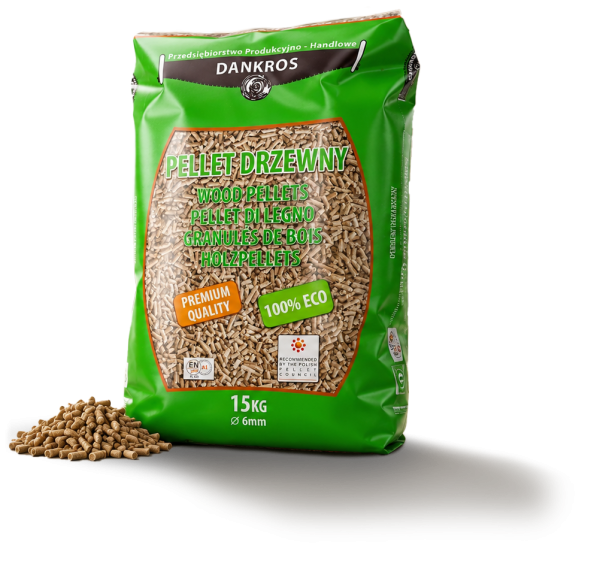
- Polish producer
- Ecological
- Safe
- Efficient
Get to know DANKROS pellets
ENplus A1 certificate
The certificate confirms compliance with stringent quality standards. It signifies stable parameters, low moisture content, and high quality.
Low ash content
Minimum ash content ≤ 0.5% means cleaner combustion, less frequent cleaning of the stove and greater comfort of use.
High caloric value
Calorific value ≥ 16.5 MJ/kg, ensures efficient heating with lower fuel consumption.
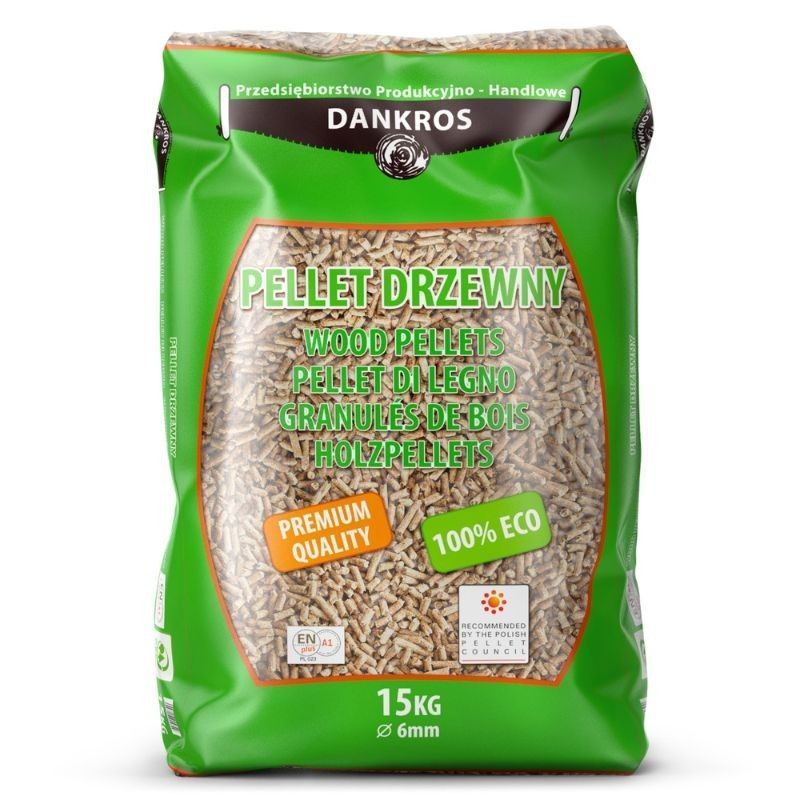
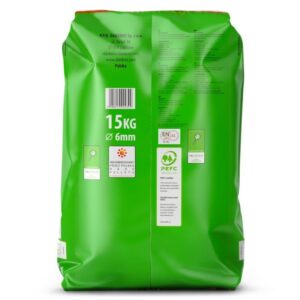
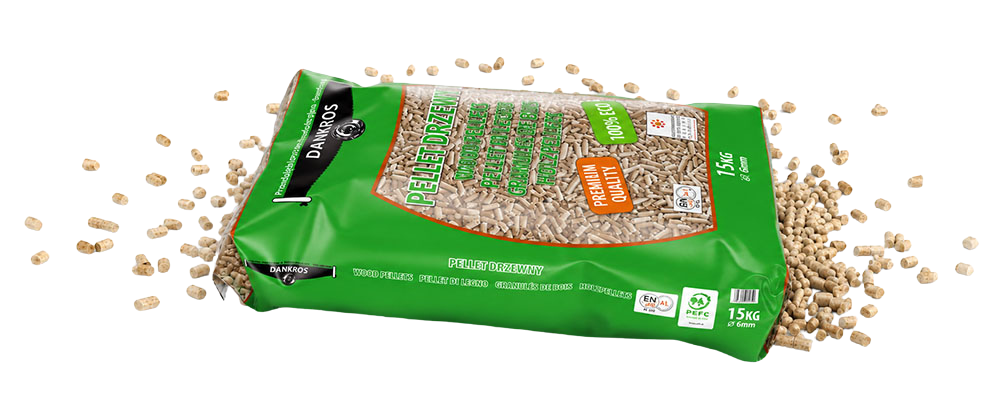
Granulate 6 mm
The 6 mm diameter ensures correct operation of feeders and efficient combustion in boilers and pellet stoves.
15 kg bags
Convenient 15 kg bags make it easy to transport, store and use pellets on a daily basis.
100% pine wood
Pellets made from pure pine wood, without chemical additives or accidental admixtures.
Technical parameters of DANKROS Pellets
6 mm
Granule
diameter
Optimal diameter for high efficiency.
100%
Pine wood
100% pine wood without additives or impurities.
<7%
Humidity
Low moisture supports efficient combustion.
<0.5%
Ash content
The boiler requires less frequent cleaning.
17.73 MJ/kg
Calorific value
High calorific value ensures efficient heating.
ENplus A1
Quality
certificate
Consistent quality control of every product batch.
Delivery included in the price of pellets
When you order DANKROS pellets, you receive free delivery throughout Poland, included in the order price. Pellets are shipped on pallets, making transport, unloading, and storage easier.

Delivery throughout Poland
We ship pellets to the specified address within the country.
Pallet of 65 bags
One pallet contains 65 bags of 15 kg, i.e. a total of 975 kg of pellets.

Convenient online ordering
You buy directly from the manufacturer, without intermediaries and delivery costs.
Why choose DANKROS?
Pine pellets produced at the DANKROS plant are made exclusively from high-quality pine sawdust from certified wood sources.
High caloric value
Efficient heating and good energy use.
Consistent quality
Repeatable parameters thanks to production control.
Low ash content
Less cleaning and more comfort of use.
Directly from the manufacturer
You buy from the source without unnecessary intermediaries.
Order pellets directly
from the manufacturer
Fast order processing and safe delivery throughout Poland.
Polish producer of pine pellets
DANKROS is a Polish producer of pine pellets with many years of experience in the wood industry. The company supplies pellets to individual customers, businesses, and distributors in Poland and abroad.
Modern production lines, quality control, and proven raw materials ensure consistent product parameters.
Which heating systems are pellets suitable for?
- Automatic pellet boilers
- Freestanding pellet stoves
- Biomass central heating boilers
- Boilers with screw feeders
- Boiler rooms in businesses and commercial buildings
FAQ – frequently asked questions about pellets
How should pellets be stored to preserve their properties?
Store pellets in a dry, ventilated room with a stable temperature. Keep the bags on pallets to separate them from the floor and reduce the risk of moisture absorption. Moisture can lower pellet quality and calorific value.
Can pellets be stored in a boiler room or garage?
Yes, provided the room is well ventilated, dry, and protected from moisture. Boiler rooms and utility rooms are common storage locations when they offer stable conditions and protection from water.
Why should pellets be kept away from moisture?
Pellets readily absorb moisture from their surroundings. Damp pellets lose their structure, may crumble, and have a lower heating value. Poor storage also affects combustion efficiency and can cause problems with boiler operation.
Can pellets be stored outdoors?
This is not recommended. Even with protected bags, temperature changes and humidity can cause condensation and reduce fuel quality. The safest option is to store pellets indoors in a dry, stable environment.
Why are pellets considered an ecological, zero-waste fuel?
Pellets are made from sawdust, wood shavings, and other woodworking residues. Compressing these materials into granules gives them a second life as efficient fuel. This is an example of a circular economy that makes use of wood residues.
Are pellets environmentally neutral?
The reference describes pellet combustion as releasing the carbon dioxide absorbed by the tree during growth, with a carbon balance close to neutral and very little ash. The overall environmental balance also depends on sourcing, production, and transport.
What happens to the ash after burning pellets?
Pellets produce a small amount of ash, around 0.5%. Clean wood ash contains minerals and can sometimes be reused as a soil amendment, where suitable. This provides another opportunity to make use of the material after combustion.
Why do pellets fit into a circular economy?
Their production and use complete a cycle: residues from wood production become fuel for efficient heating, while the resulting ash may be reused as a secondary material. This helps make full use of resources and minimise waste.